

Fathoming
Fathoming
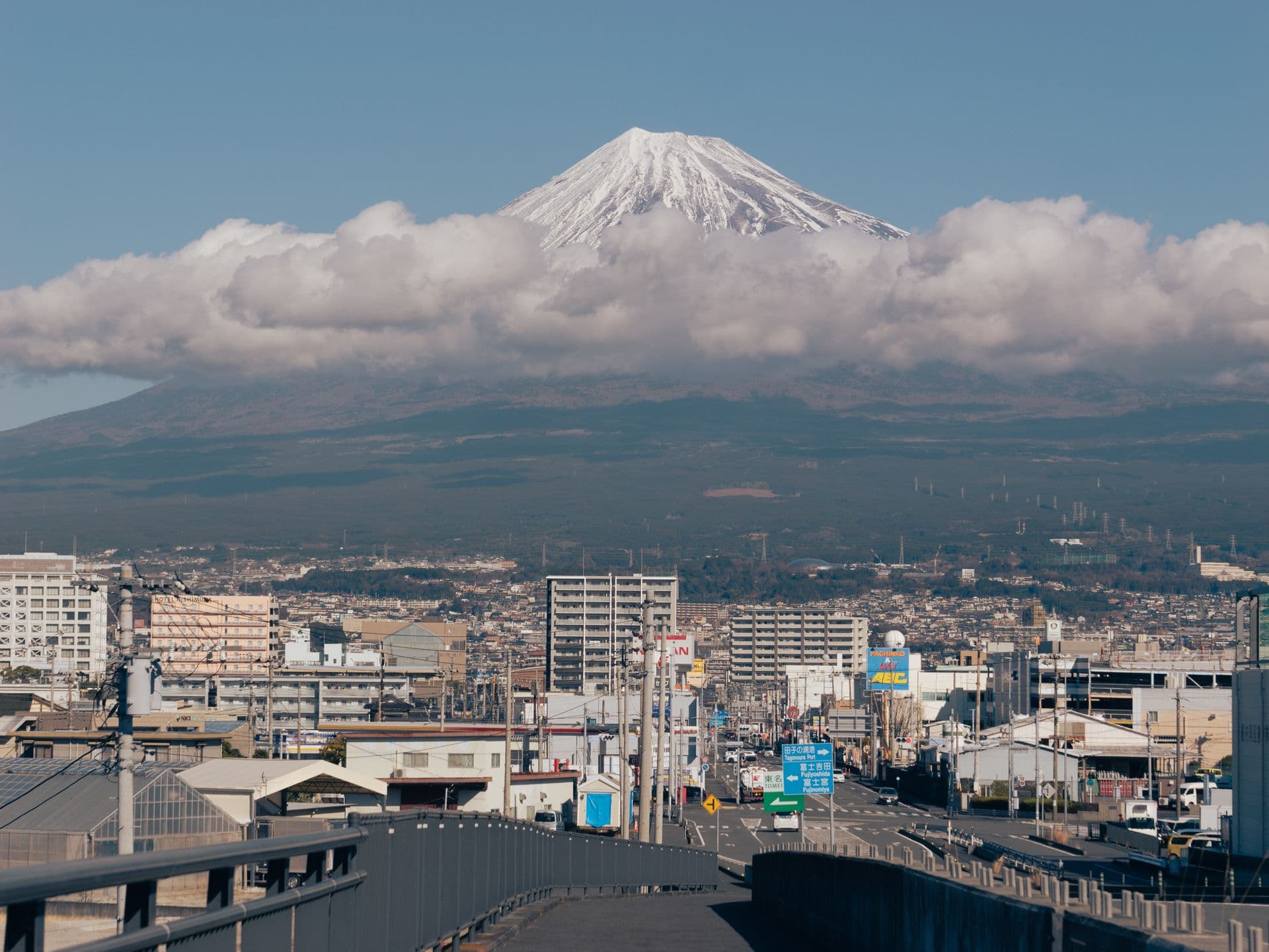
Japan is a developed country in East Asia, known for its modern infrastructure, organized work environment, reliable transportation, and strong culture of discipline and professionalism. It offers employment opportunities in a wide range of industries, including manufacturing, construction, agriculture, food production, hospitality, nursing care, automobile maintenance, and other service sectors.
For people planning to work in Japan, the experience involves more than finding a job. It also means adapting to a new language, workplace culture, climate, transportation system, and way of life. Understanding these aspects before departure can help candidates prepare better and make the transition more comfortable.
Japan is home to both large metropolitan cities and smaller regional communities, so the lifestyle can vary depending on where you work. Each location has its own advantages, living costs, climate, transportation options, and working environment.
Working conditions in Japan depend on the industry, employer, location, and type of employment. In general, a standard full-time schedule is around 8 hours a day and 40 hours a week, although actual working hours can vary depending on the job. Some industries may also require shift work, night duty, weekend work, or overtime.
Salary also varies according to the type of job, experience, location, skills, and employer. Workers may receive a basic salary along with overtime pay and other allowances depending on their employment conditions. Some companies may also provide additional benefits such as transportation support, accommodation assistance, bonuses, or other allowances.
It is important to understand the difference between gross salary and take-home salary. Taxes, insurance, pension contributions, accommodation costs, and other applicable deductions may be taken from the salary before the final amount is received.
Before accepting a job, candidates should carefully understand the salary, working hours, overtime conditions, days off, allowances, deductions, and other employment terms so they have a clear picture of their expected income and working conditions.
The cost of living in Japan depends largely on the city, region, and individual lifestyle. Living expenses in major cities can be different from those in smaller cities and rural areas. Accommodation is often one of the biggest monthly expenses, followed by food, transportation, utilities, communication, and personal spending.
Some employers may provide company accommodation or dormitory facilities, while others may offer housing support or require workers to arrange their own accommodation. Candidates should understand the accommodation arrangement, monthly rent, utility costs, distance from the workplace, and any other charges before leaving for Japan.
Daily expenses can be managed effectively with proper planning. Preparing meals at home, using public transportation, keeping track of monthly expenses, and understanding local prices can help workers manage their income more comfortably.
A realistic budget is an important part of preparing for life in Japan. Candidates should consider both regular monthly expenses and unexpected costs when planning their finances.
Japan experiences four main seasons, but the weather can vary greatly depending on the region. Summers can be hot and humid, while winters can be very cold, especially in northern and mountainous areas. Some regions experience heavy snowfall, while southern areas have a much warmer climate.
Spring is generally mild and is well known for cherry blossoms, while summer can bring high temperatures and a rainy season. Autumn usually brings cooler and more comfortable weather, and winter ranges from mild conditions in some areas to heavy snow in others.
Daily life in Japan is generally organized and strongly influenced by punctuality, cleanliness, public etiquette, and respect for rules. Public transportation is widely used, particularly in cities, while bicycles and private vehicles are also common in many regional areas.
Food, housing, shopping habits, communication, and social customs may be different from what candidates are familiar with in Nepal. Taking time to understand these differences before departure can make adapting to everyday life much easier.
Japanese language skills are important for both professional and everyday life. Workers may need Japanese when communicating with supervisors and colleagues, understanding workplace instructions, visiting hospitals, using public services, reading notices, shopping, and handling administrative tasks.
Japanese workplaces commonly emphasize punctuality, responsibility, teamwork, communication, and following established procedures. Candidates may encounter workplace rules and practices that are different from those they have experienced before. Understanding these expectations can help workers adjust more comfortably and communicate effectively with their colleagues.
Learning Japanese should not stop after arriving in Japan. Improving vocabulary, listening, speaking, and workplace communication over time can make daily activities easier and help workers become more confident in their environment.
Foreign workers may also have access to various forms of workplace and settlement support depending on their employment and residence status. Knowing who to contact when questions or difficulties arise is an important part of living and working abroad.
The Specified Skilled Worker, commonly known as SSW, is a Japanese residence status designed for foreign workers who have the required skills and meet the relevant conditions to work in designated industries.
The process generally involves several important stages, including Japanese language preparation, skill test preparation, candidate screening, employer interviews, employment contract procedures, documentation and visa processing, pre-departure orientation, travel, and post-arrival support.
The requirements can differ depending on the selected field and the candidate's individual situation. For this reason, it is important to understand the specific requirements of your chosen occupation before beginning the application process.
For aspiring workers, preparation should go beyond simply passing a test or receiving a job offer. Understanding the actual job responsibilities, salary, working hours, workplace location, accommodation, deductions, and workplace expectations can help candidates make informed decisions and prepare for life in Japan.
With proper preparation, language skills, practical knowledge, and a clear understanding of the employment process, candidates can approach their journey to Japan with greater confidence and realistic expectations.